
Every mistake
is mine.
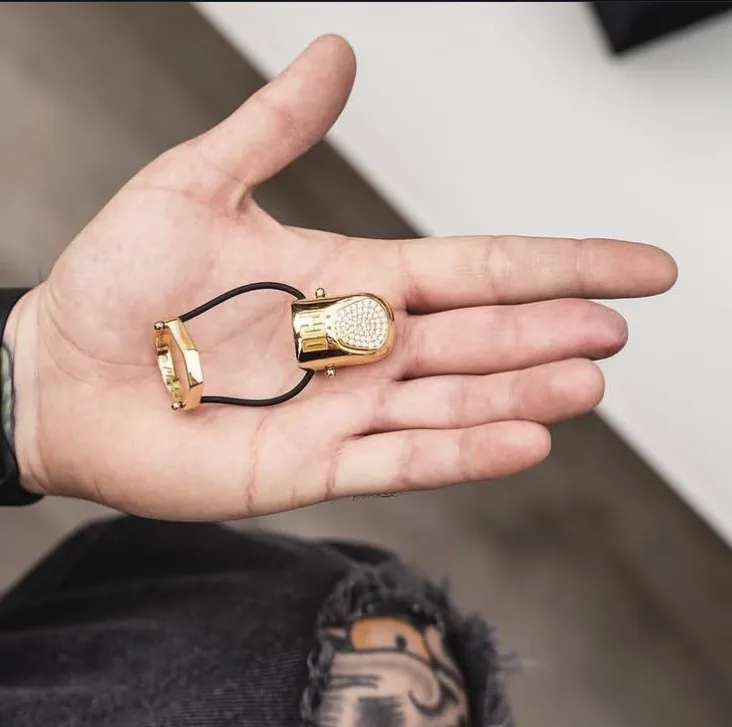
A friend lost half a finger to a machine. Dario Rjeili and a few friends had the missing part made in gold, with a diamond nail. That joke became his way into jewellery.
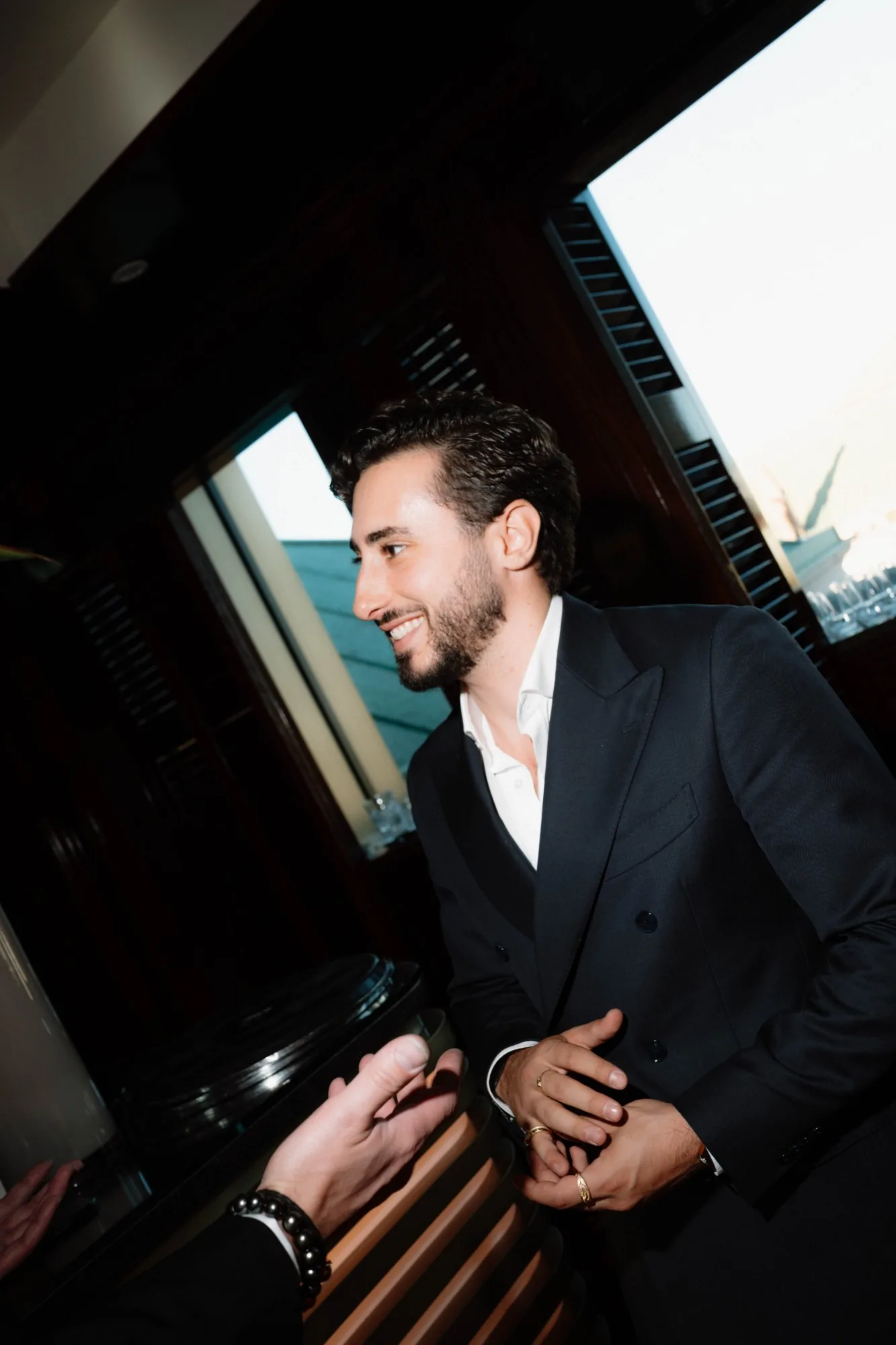
Every Mistake Is Mine: A Conversation with Dario Rjeili
Half a finger of gold
Dario Rjeili came to jewellery because of a lost finger. His friend Jacopo De Carli restores rare sneakers and handbags, pieces that can sell for a hundred thousand euros. One day at work, a machine took half of one of Jacopo's fingers.
His friends decided to make fun of him a little, to make the recovery lighter. Dario and a few of them each put in a few hundred euros. They had the missing part of the finger made in gold, with a pavé diamond nail.
"The reason is funny, and stupid at the same time."
Making that one piece meant meeting artisans, and he kept meeting them. For almost a year he took trains to sit with jewellery designers and makers and ask what was hard for them. The answer, he came to think, was not the making. It was everything after.
"They're terrible at communication, terrible at showcasing."
He is talking about the makers and brands he met, almost all of them. Many had 3D files of their pieces and did not know where the files were. Those who had images did not control their own website. An agency did, and the agency answered emails once a week.
A party at fourteen
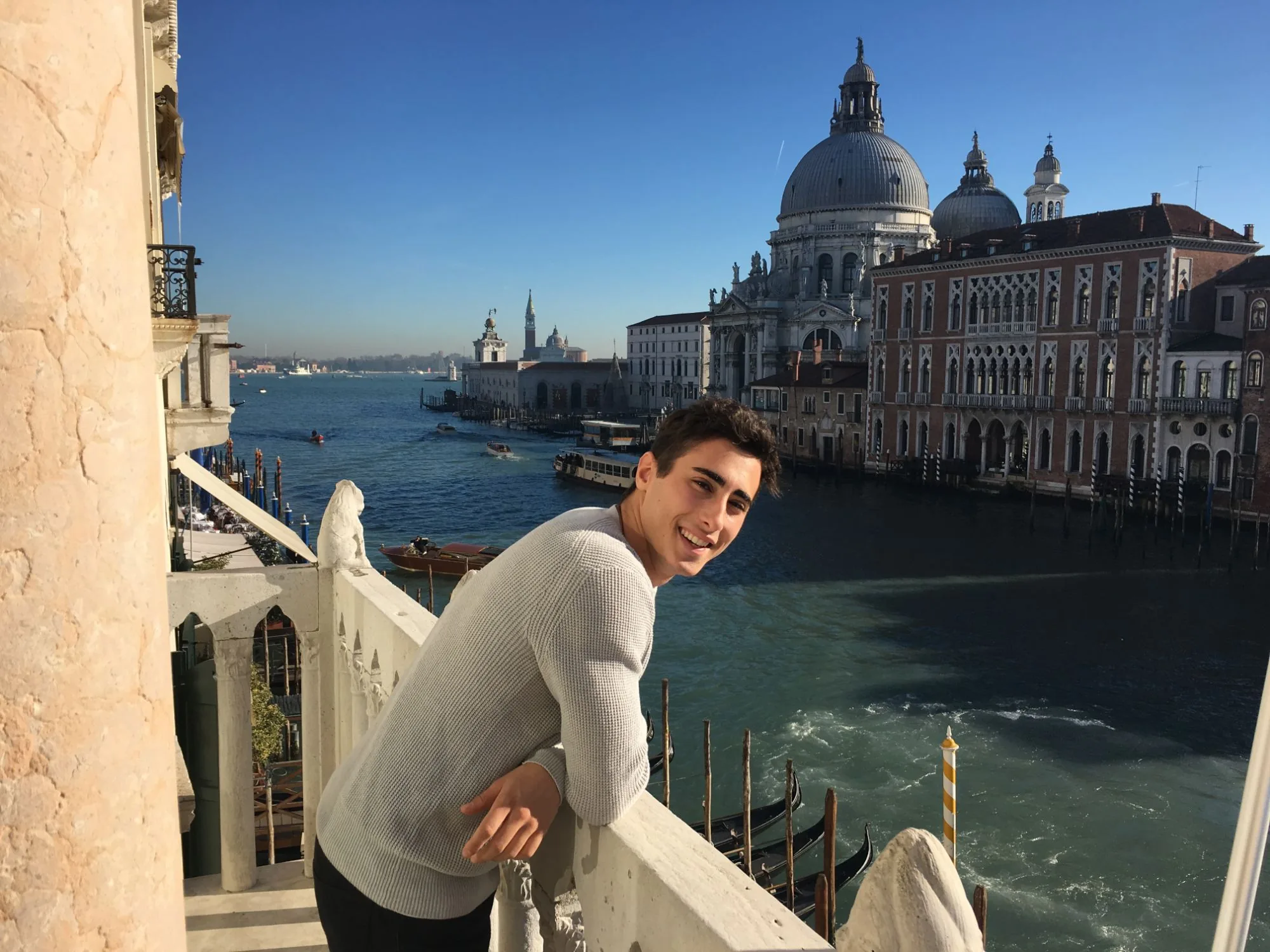
Dario grew up in Venice, in what he calls a normal family. No one worked in jewellery. His mother, he says, is "more on the hippie side": one job her whole life, and no interest in money. He learned early, all the same, that selling matters and that you have to make things work.
His first job, at fourteen, was PR for clubs: getting people through the door, organising parties, managing tables.
"If you threw a party when you were fifteen, you're probably an entrepreneur now."
Then came the attempts, and he lists them plainly. A rubbish bin for the city of Venice, backed by his first investor. A concierge service for friends and for young footballers who had just started earning: he would book their tables and restaurants and organise their events, for a fee. A website for jewellery artisans. "Artisans are artisans," he says, "and they don't want anyone to tell them what to do." None of them lasted.
In between, he studied in the United States and worked in finance. When COVID closed everything in 2020, he came back to Italy, stopped in Milan, and never left. Three years in venture capital followed. Then Digital Exhibition Group, the company behind Digital Jewelry Week.
This year Forbes Italia named him in its Under 30 list. On Instagram he summed up the road in one line: "There is no linear path."
Eighteen in Buenos Aires
The question that became Digital Jewelry Week started earlier, and far from jewellery.
At eighteen he was alone in a co-working space in Buenos Aires, through the investor behind the bin. The city was one of the main hubs for crypto and blockchain, and a group of builders there took him under their wing. They showed him around and let him watch them work. What they were building in 2018 reached a market value of almost seven billion three years later.
That same virtual world went on to hold a Metaverse Fashion Week. He looked at it and asked himself a plain question. If fashion gets a week, why not jewellery?
He messaged the people behind it and asked for a chat. They said yes, and backed him the first year. Not with money, he is quick to add. Morally.
Ten thousand people
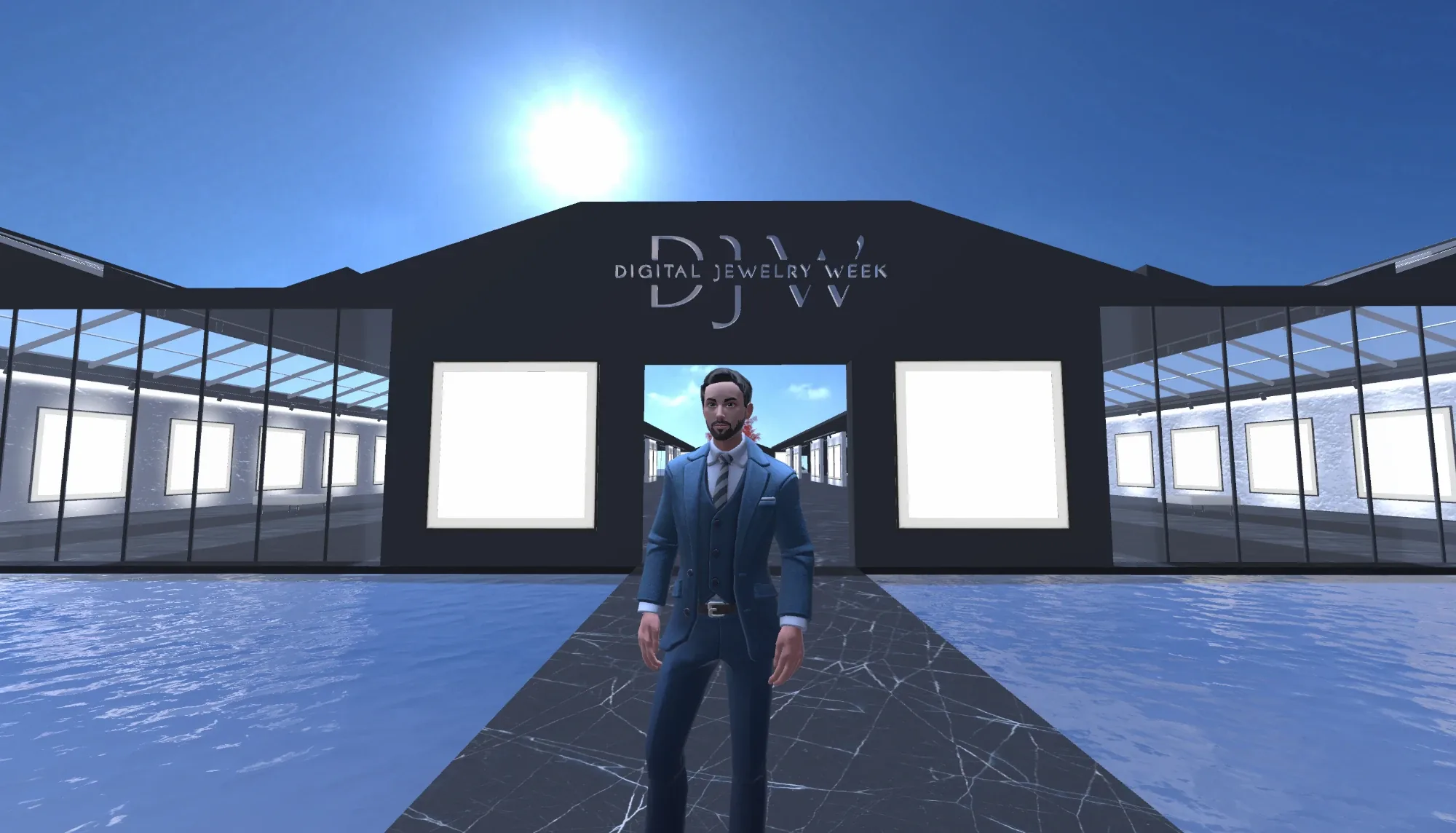
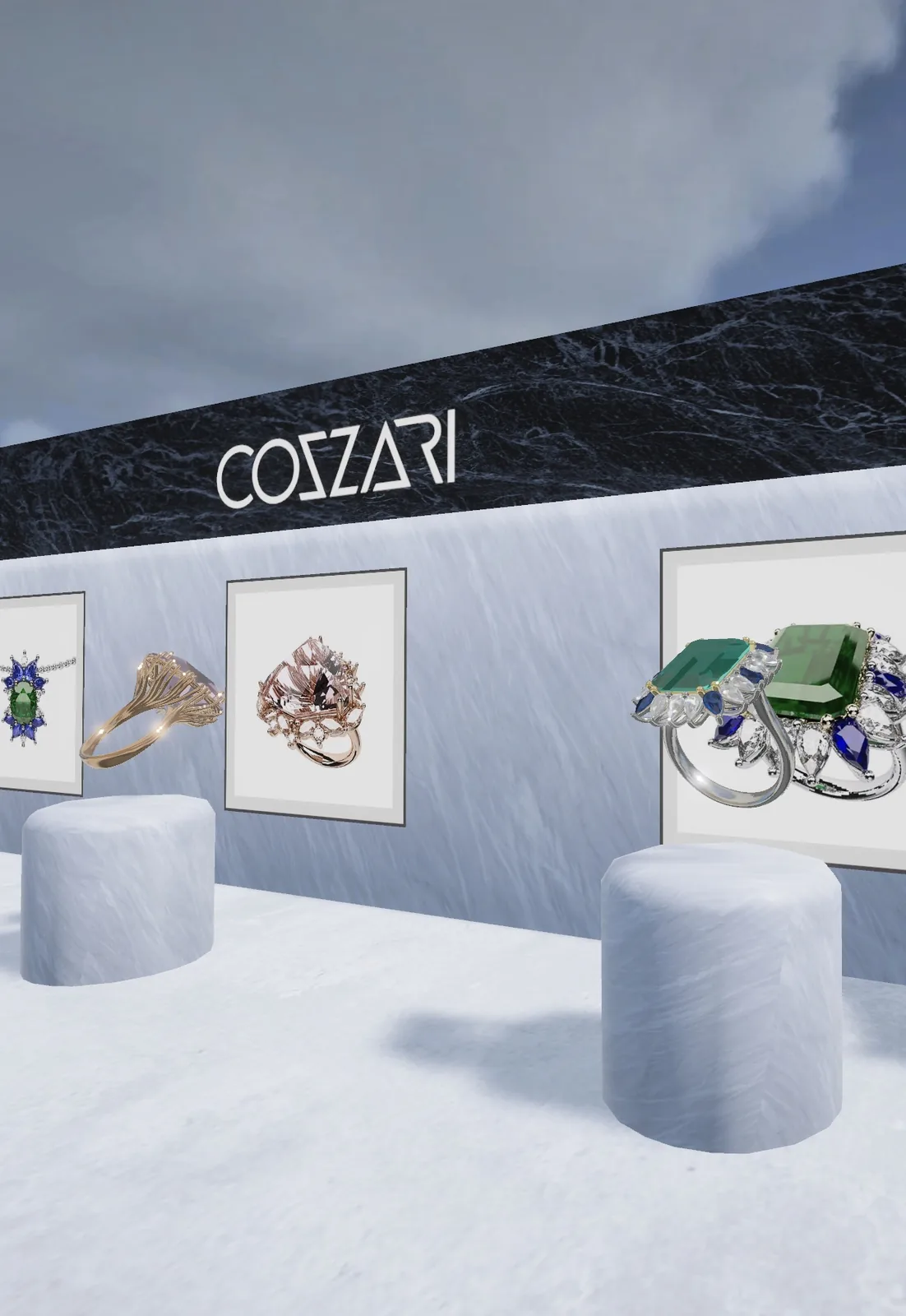
A friend and mentor told him that platform was the wrong place for jewellery and pointed him to Spatial, a browser-based 3D platform. He ran the first Digital Jewelry Week there. About 10,000 people came.
He does not dress up how it looked. The jewels were "ugly 3D objects", exported as plain files with no shine. From the second year, the jewels were real-time 3D models made with iJewel, the company that publishes this journal, and he says people noticed the difference. He is just as clear that the tools were never the hard part.
"The main issue is the education part. People understand that there's value, but they don't know how to use it."
Nobody to copy
Today Digital Exhibition Group is five people in Milan, and there are no investors. Nine of every ten euros come from outside Italy, mostly from Asia. "Italy works when it's free," he says, "and we are not free."
Cash flow, he says, is the biggest struggle of any entrepreneur in this industry, or at least of this one. And there is no model to follow.
"There's no one I can copy. So every mistake is my mistake. Every success can be someone else's success. But my mistakes are for sure mine."
He does not think anyone inside the trade would have built it. The day we spoke, he had been talking to a two-person brand, a father and son, who make five million a year "shaking hands". They want to sell direct to customers now. "How hard can they work," he asks, "when you make five million a year shaking hands for the last twenty years?" That comfort, he thinks, is why jewellery moves slowly. It took someone who had watched technology move somewhere else.
So he fills the gaps himself. The company now also works as an outside digital team for a couple of brands, on a monthly fee: the 3D models, the lighting, the website, down to the flyers for a client dinner. He says he is reachable eighteen or nineteen hours a day, because the agencies these brands used to deal with took a week or two to answer an email.
To brands, his message is the same every time. Your 3D files are assets. And the fear of being copied is misplaced.
"If you post your jewel one day and my team sees it, my team can replicate it in five minutes. So don't be afraid. The more you show it to the world, the more you can say that you were the first one doing it."
What he wants to prove is that owning your content pays off. "We're fighting for it," he says. "It's really like a fight."
A dinner conversation
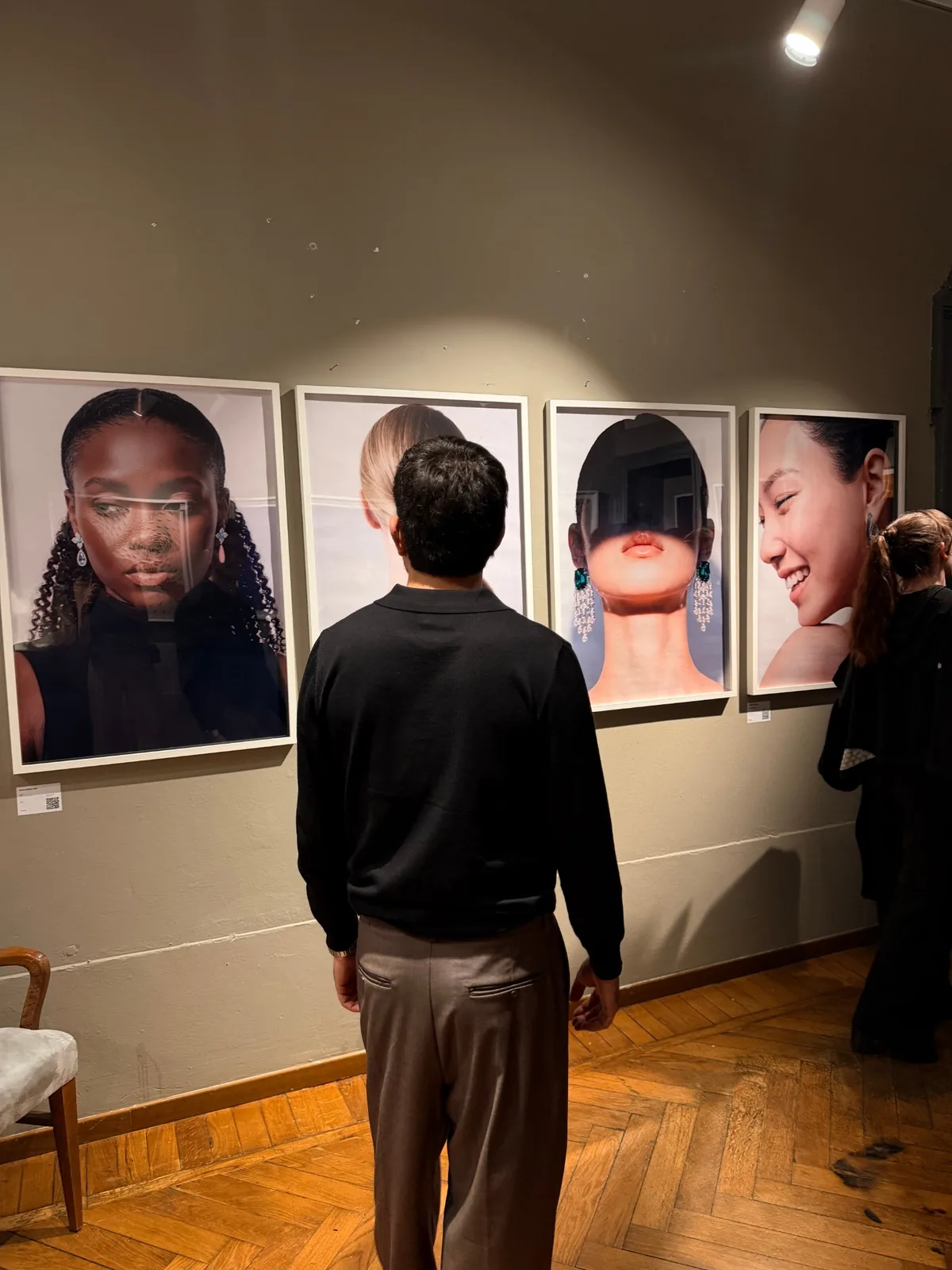
When we spoke, this year's edition was days away. It ran online from 18 to 25 October and stays online for a year. The idea, he says, was editorial. "If the coolest magazine and the coolest website had a child." There were also three evenings in Milan. At one, in an art gallery, the paintings came down and framed prints of jewels went up, with free drinks.
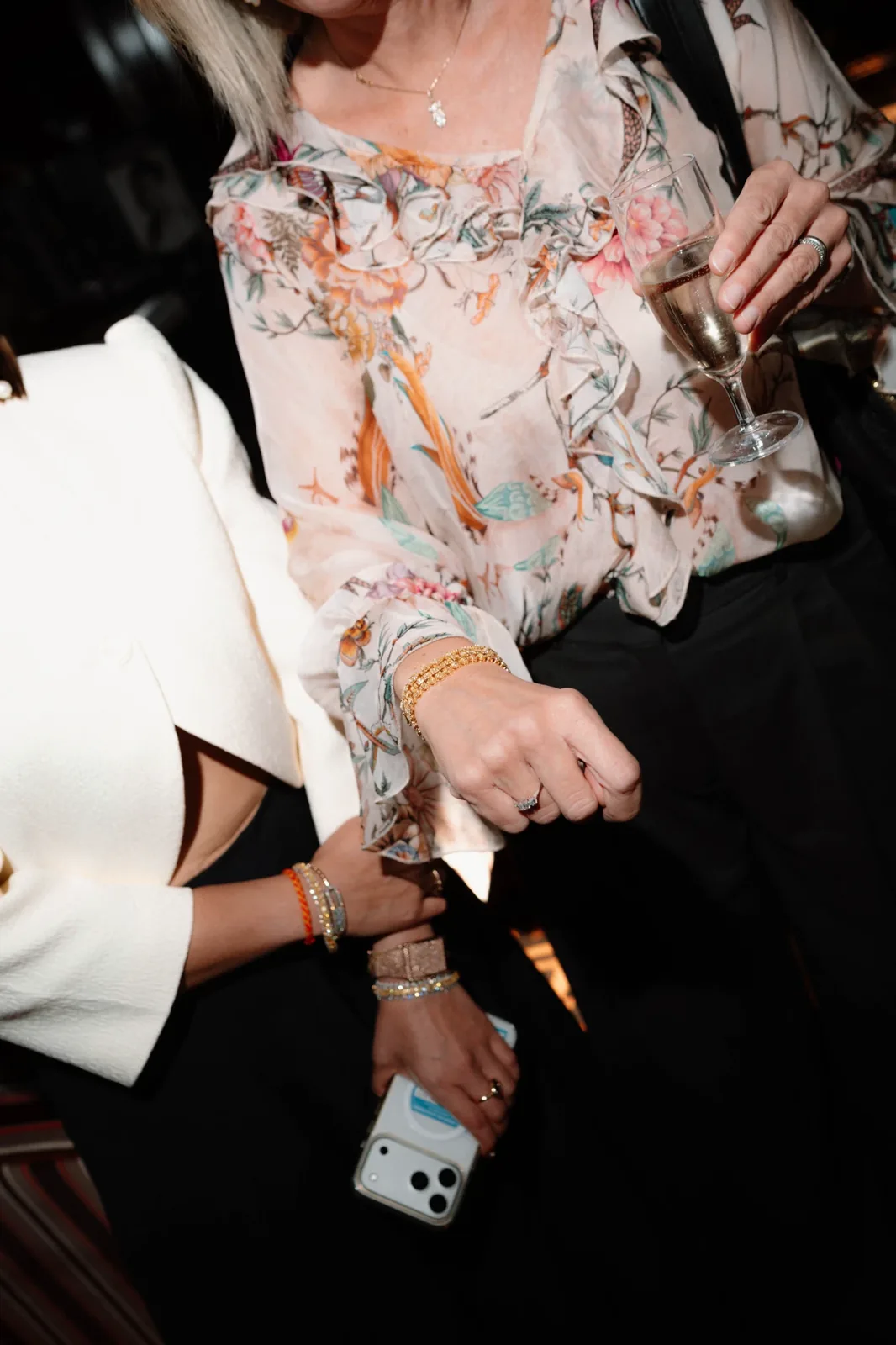
The evenings are there for a reason. "We want people to really feel it, and understand that brands can bring their jewels in physically as well. But when you go home, you can still check them again."
He expects more independent designers, and he thinks people increasingly want to know who made what they wear.
"If I buy an expensive jewel, I want to tell you who made it, why it was made, where it comes from. It has to be a dinner conversation."
Asked what is hardest about this industry, he does not say money. "Respect. It's so small." People have to trust you, he says, and anyone who joins Digital Jewelry Week also joins a way of thinking.
His plan, "if we survive cash flow", is several editions a year, with an evening in Milan, Hong Kong, Doha and New York. The hard part is not the number of cities. It is quality. "It has to have its own soul." That feeling for beauty, he says, is something he does not have himself. The people on his team do.
The gold fingertip was a joke between friends. It was also a jewel with a story: who made it, why, and for whom. That is what he wants every jewel to carry when it goes online.