
The long
route.
A stone setter from a small Catalan town watched CAD software create the holes he drilled by hand. Twenty years later he is the director of the company that makes it.

The Long Route: A Conversation with Oriol Collelldemont
The last day of the holiday
It was the last day of a five week holiday in Australia. Oriol Collelldemont went to the jewellery show in Sydney, bought some opals, and stopped at a booth where a man was showing CAD software. He watched it create all the holes in a ring.
"I said, I like that. And I saw that they were doing all the holes in the pieces of jewelry and I thought, man, I'm doing this by hand."
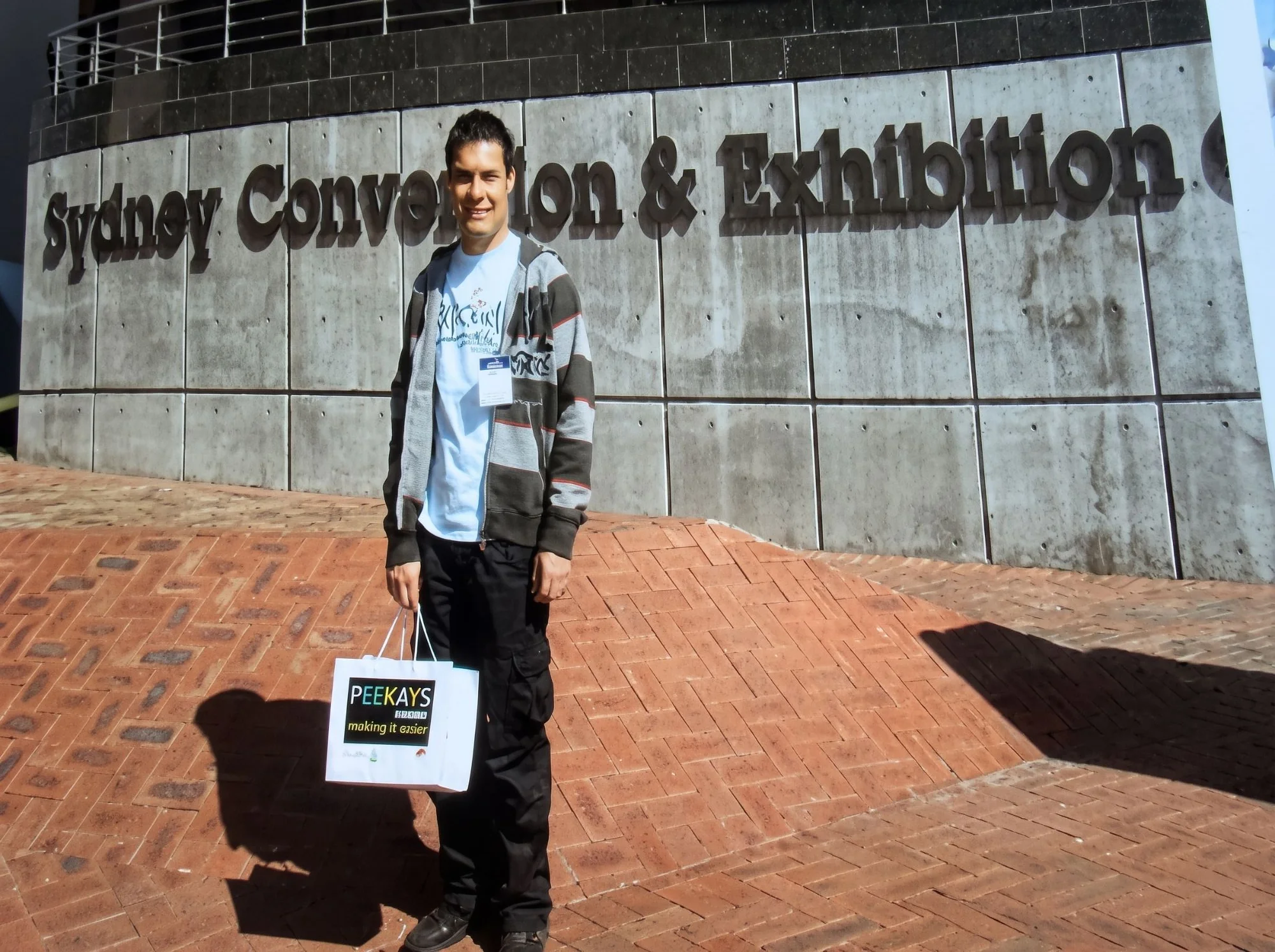
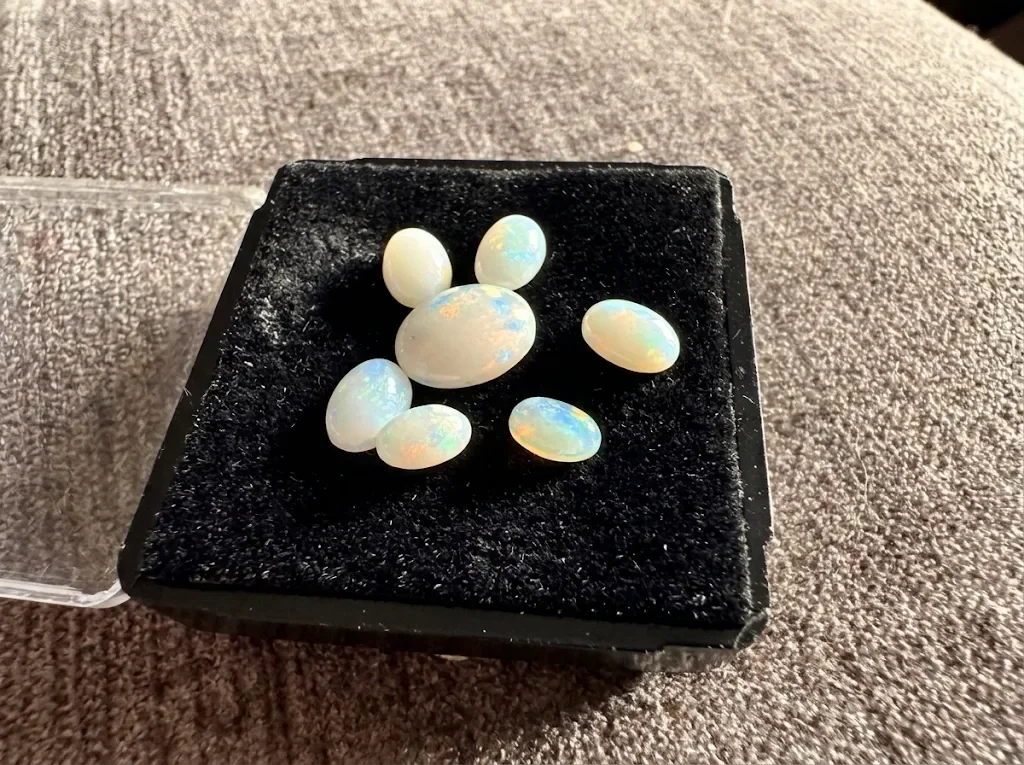
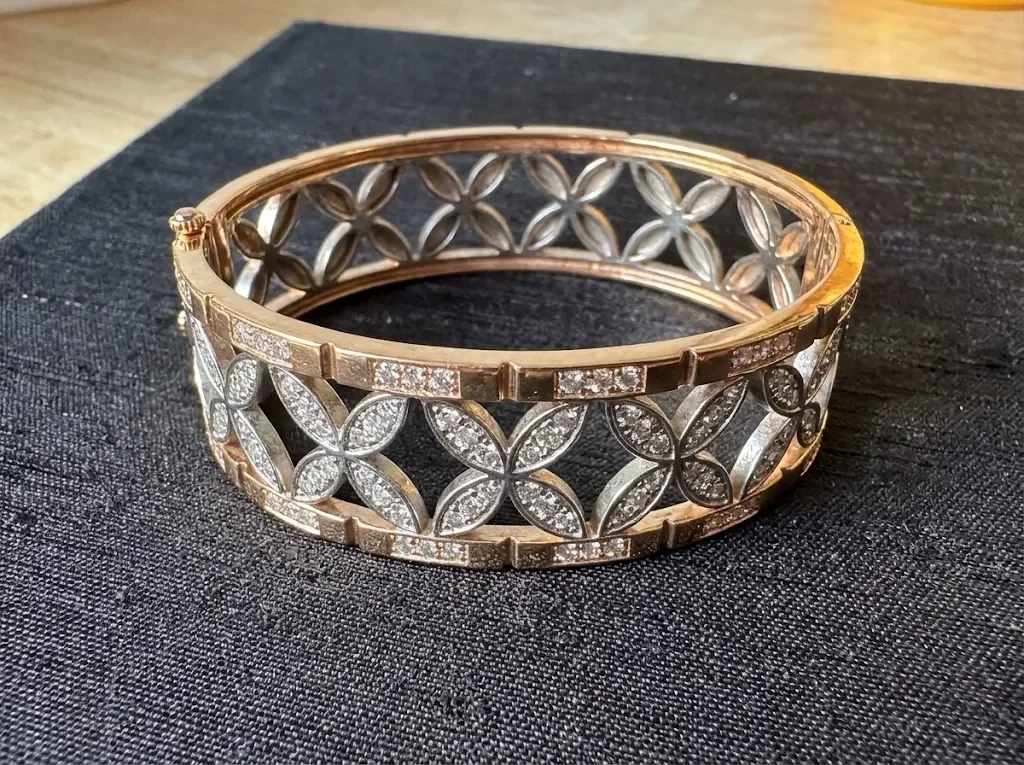
That was around 2006. Today he is the director of Gemvision, the software company inside Stuller that makes MatrixGold and CounterSketch. The man at the booth, Anthony Nolan, is now a Gemvision dealer in Australia. They speak most days.
Quotes are his, lightly edited for clarity.
The real world foundation
At eighteen, while most people around him went to Barcelona for college, Oriol chose to attend jewellery school. This was followed by two years of demanding setting work at a setting workshop in Barcelona, owned by Pedro Mota. Moving beyond the classroom, this rigorous internship served as his true introduction to the real world, laying the foundation for his work ethic today. It was during these formative years at the bench that he learned exactly how much discipline, precision, and unrelenting hard work are required to achieve anything of lasting value in his craft.
Some days were harder.
"I was looking at the bus driver, and I was thinking, man, I believe that I would rather to be a bus driver than do what I'm doing."
He stayed. Mota, he says, taught him to be resilient.
His grandmother's house
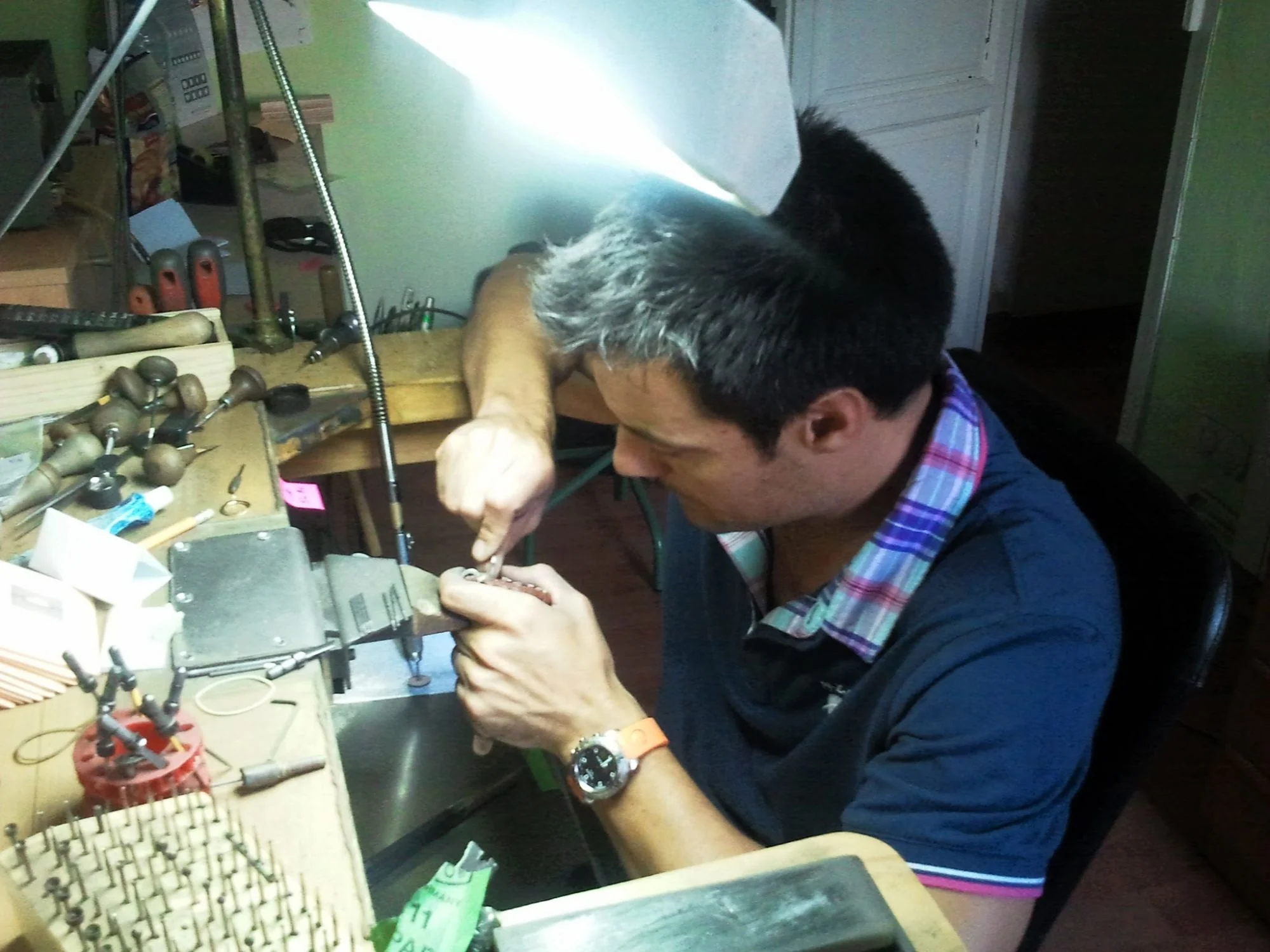
This marked the time when Oriol truly began to take flight on his own. He returned to his small town in Catalonia and established his workshop within his grandmother's house, a period that would span fifteen years. Those were long days, a dedicated focus where he set thousands of stones in that cherished space. Every single day, the two of them gathered together for breakfast, forging very good memories of connection and warmth.
It was also during this period, on a summer holiday, that he attended the jewellery show in Australia and discovered Matrix. Captivated by the CAD software's potential, he began relentlessly teaching himself the program, dedicating his evenings to mastering it after long, gruelling hours at the setting bench. The intense physical reality of the craft was ever-present, as Oriol vividly recalls: "I still remember, after one particularly long day setting hundreds of stones, on the way back home, finding something small in my mouth which ended up being a 1.3 mm diamond."
Most people gave him the same advice about CAD.
"The people said telling me, no, this does not have any future."
Australia, twice
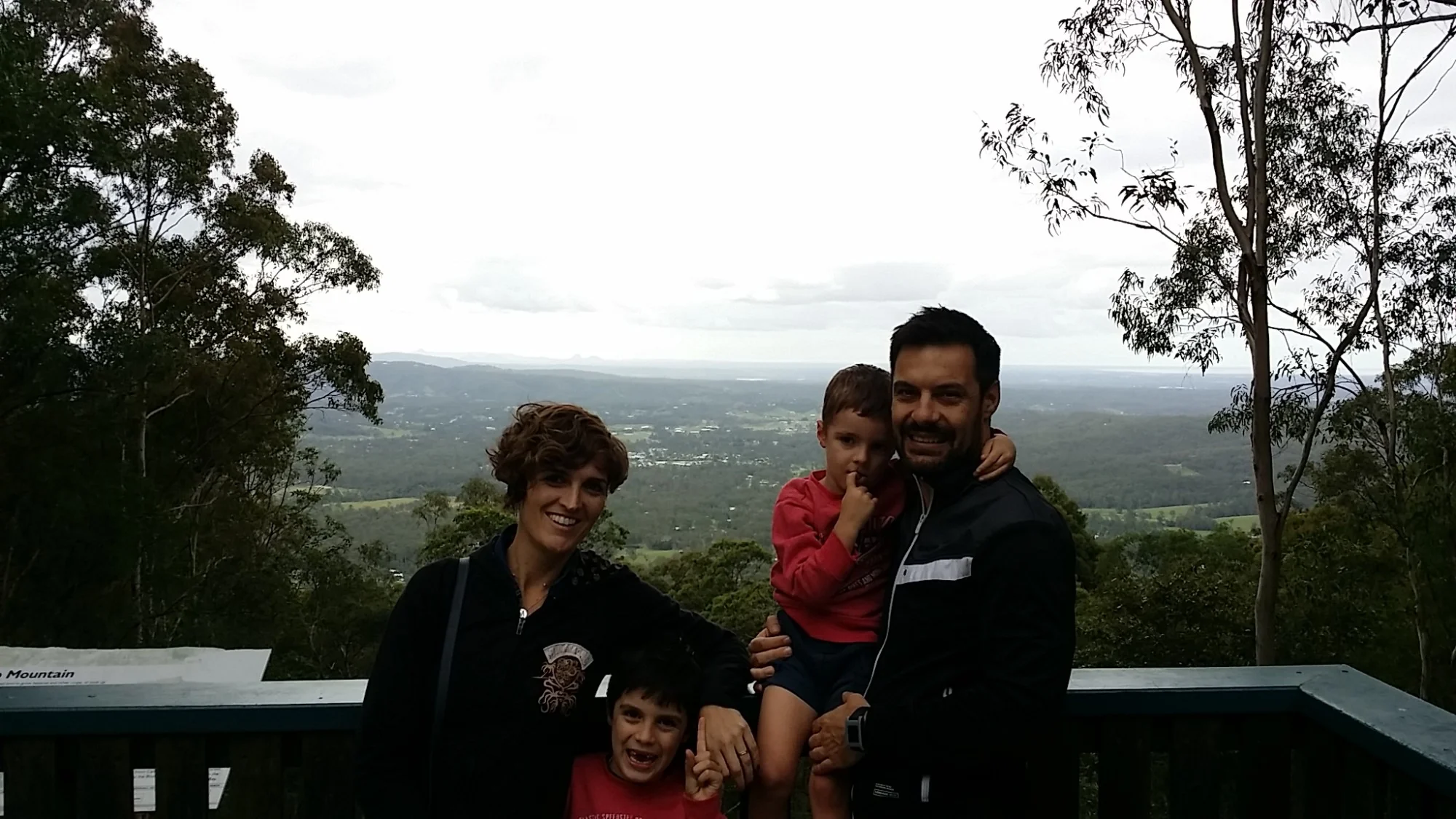
A few years later, Oriol returned to Australia for a two-month stay, bringing his wife and two children to experience the country together once again. During that time, he connected with a couple of companies that urged him to stay. He decided to accept an offer from Dia Oro jewellers, prompting the family to fly back to Spain to gather their belongings. Just two months later, they were settling back into Australia for what would become a four-year chapter.
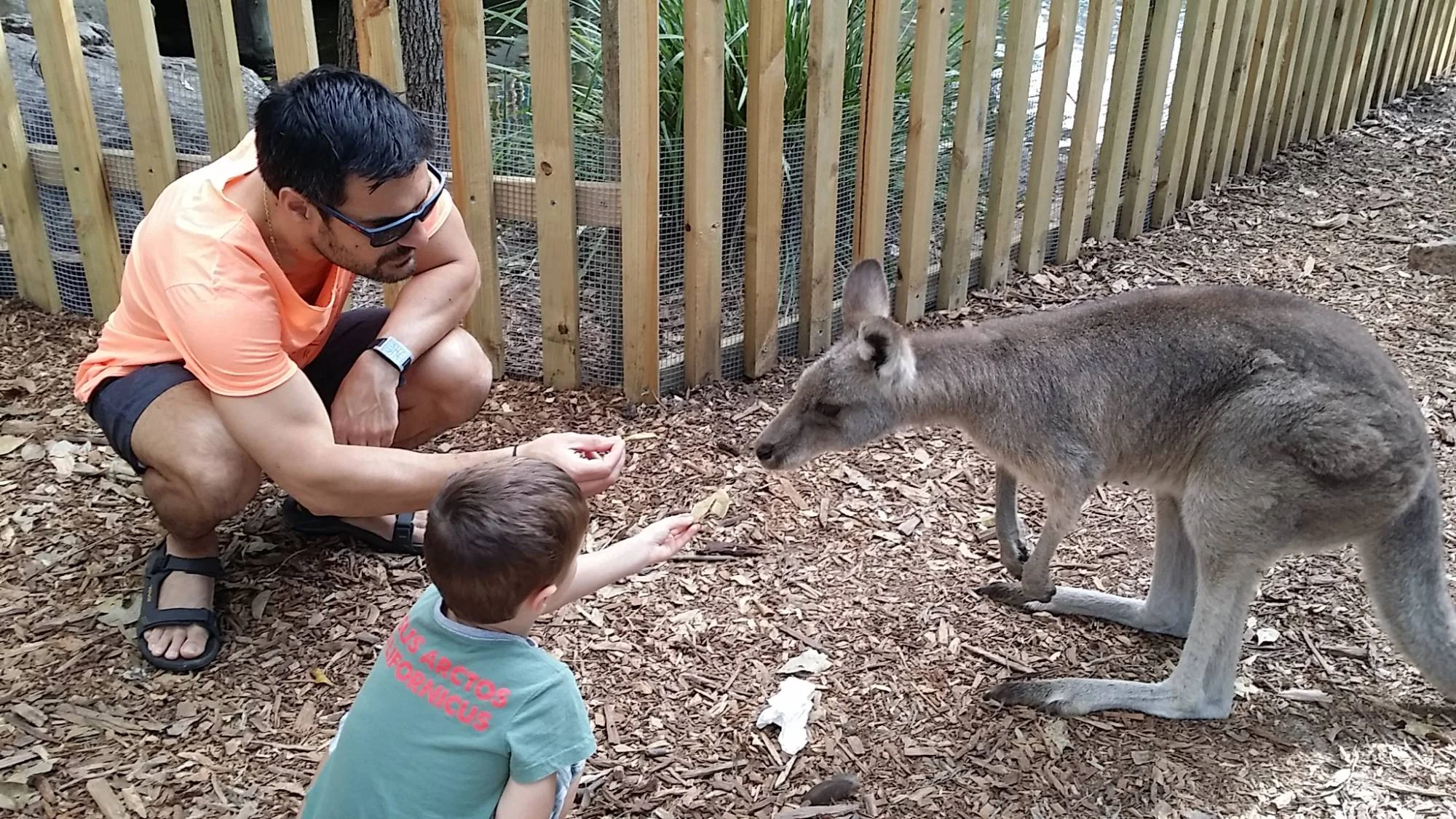
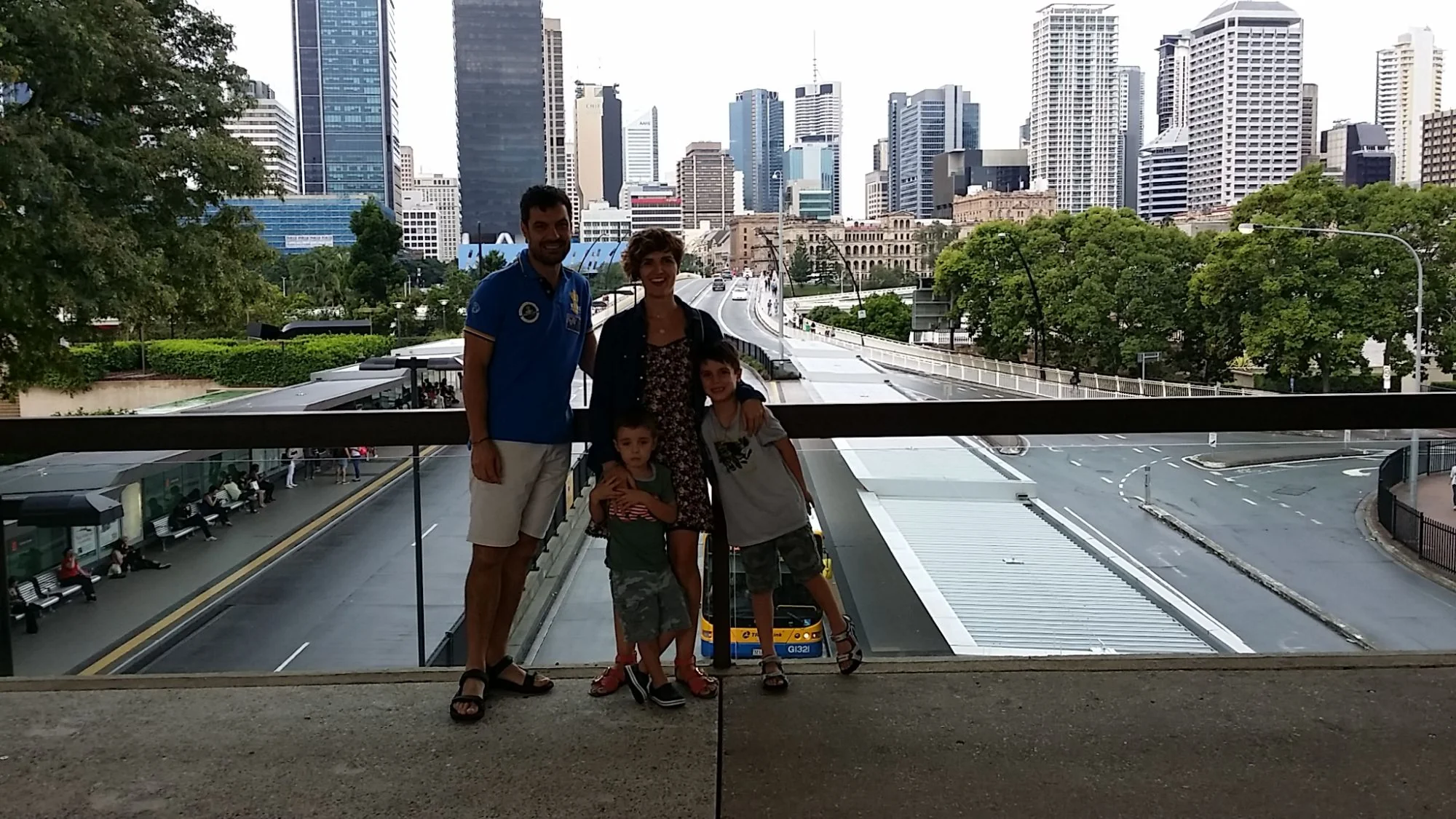
For the first year, Oriol worked as a designer for Dia Oro and Daniele jewellers, expanding his repertoire and learning to design styles that were distinctly different from his previous work in Spain. Later, he was offered the position to run the Queensland Dia Oro branch in Brisbane. It was during this role that Oriol's focus began to broaden, sparking a deeper interest in the business side of the jewellery industry, moving beyond just the physical craftsmanship. After taking charge of the Brisbane branch, he started an MBA with a marketing degree, which he finished on the way back to Spain.
Spain was twenty four hours away. They went home.
Two softwares, one customer
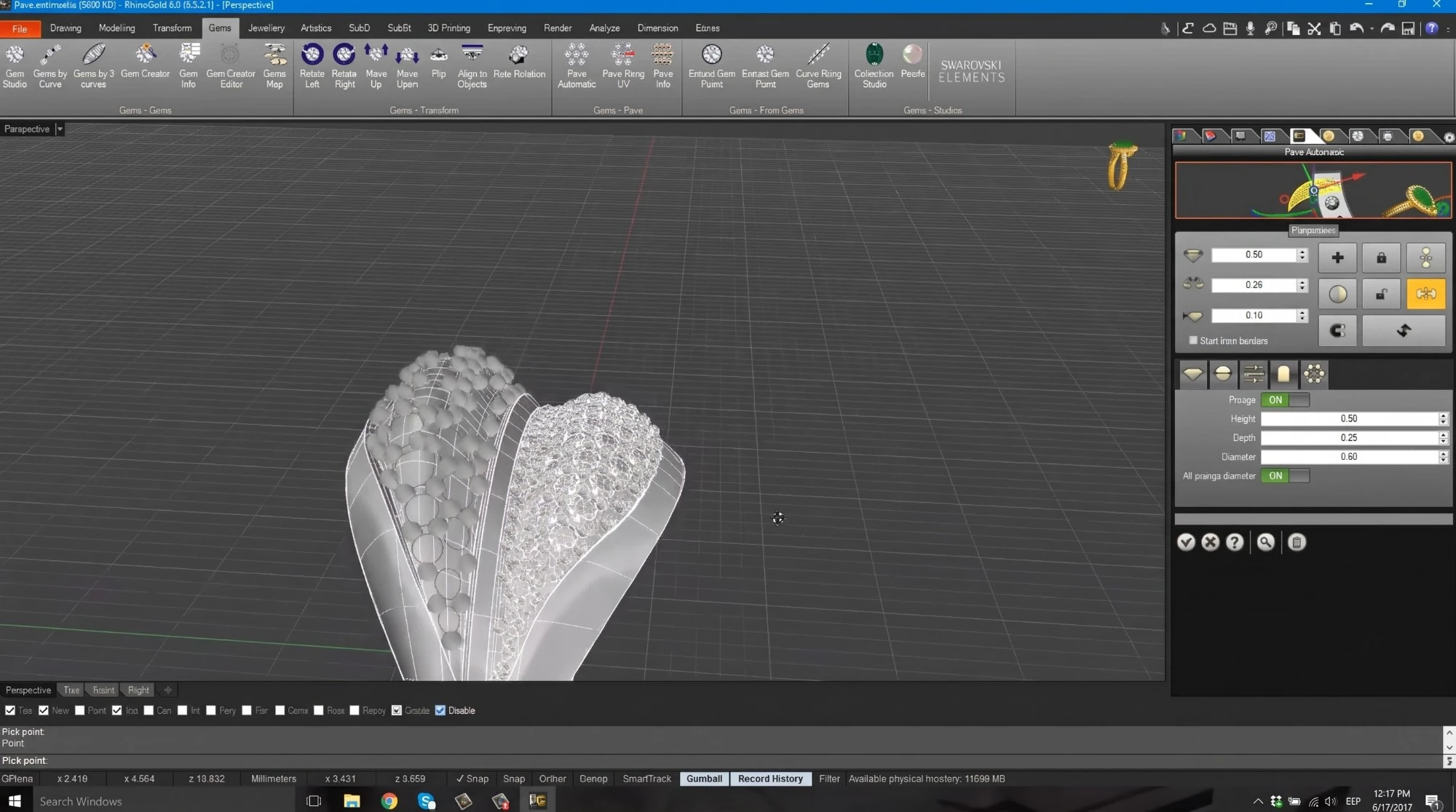
Back in Spain he joined TDM Solutions, the Barcelona company behind RhinoGold. Stuller, which also owned Gemvision and its Matrix software, had bought TDM a few months earlier. One company now owned two jewellery CAD products.
"I remember one year that we were in JCK side by side, RhinoGold, Matrix, and the customers were coming. We were the same company and they were asking, which one do we choose?"
"Due to the fact that they were running two similar software programs for the same customers, we decided to come out with a new parametric software, gathering the best of both worlds."
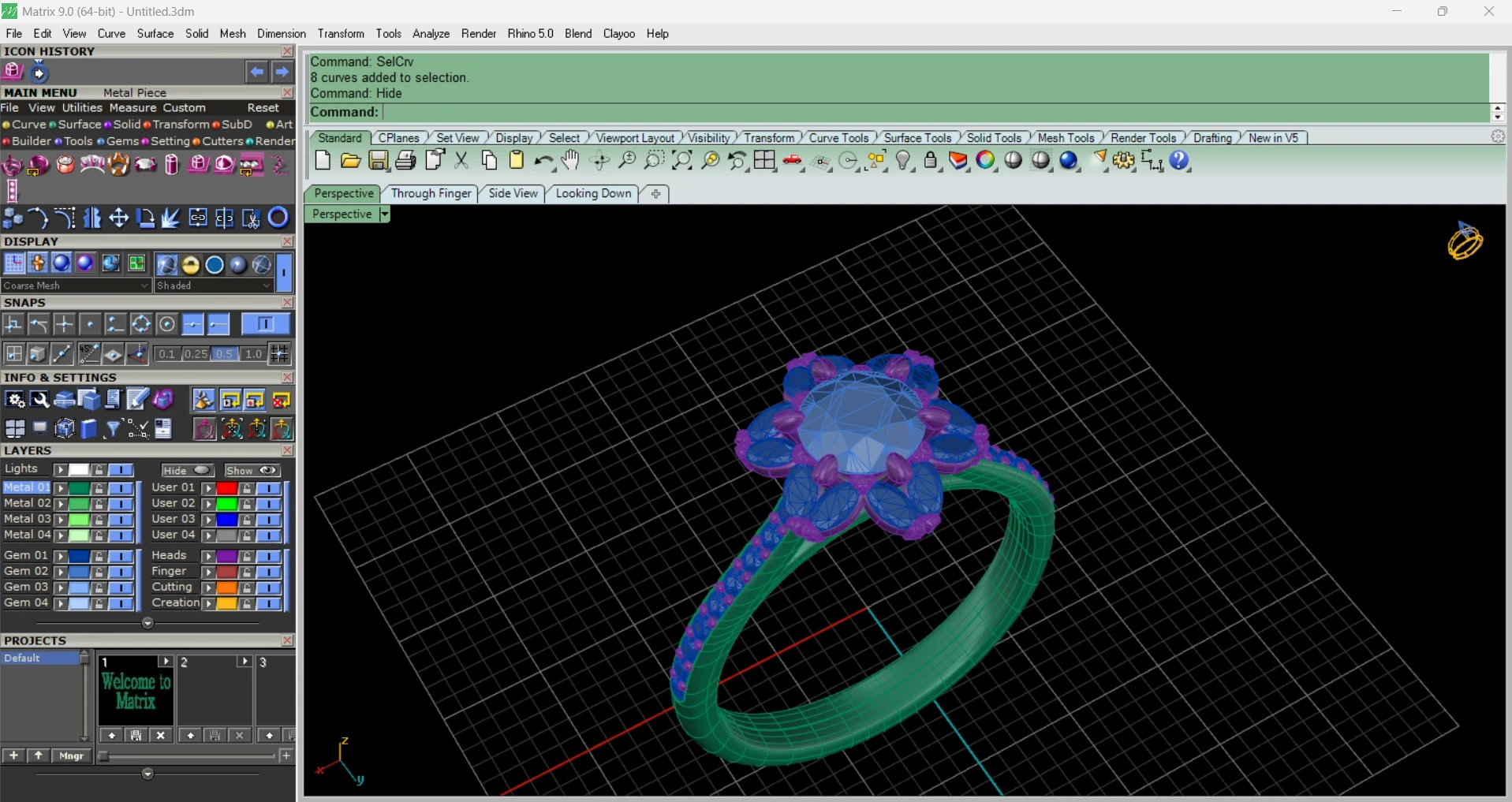
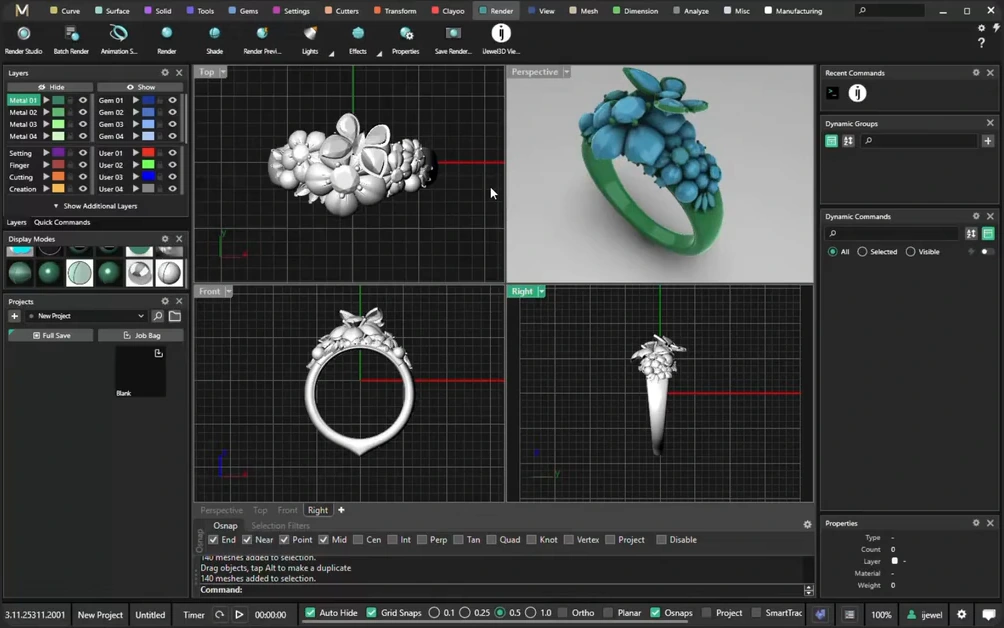
RhinoGold
Built in Barcelona by TDM Solutions.
Matrix
Built by Gemvision in Lafayette, Louisiana.
MatrixGold
One product from two.
RhinoGold
Built in Barcelona by TDM Solutions.
Matrix
Built by Gemvision in Lafayette, Louisiana.
MatrixGold
One product from two.
Ready to change
He started at a bench, in one chair for twelve hours a day. Now, as the director of Gemvision, his role extends far beyond travelling to meet customers and dealers; he actively collaborates on the marketing, operations, and development of the company's products.
He is proud of his journey, "not because of what I achieved," but because of what it shows his two sons. "Something that they really need to be prepared for is to change," he notes.
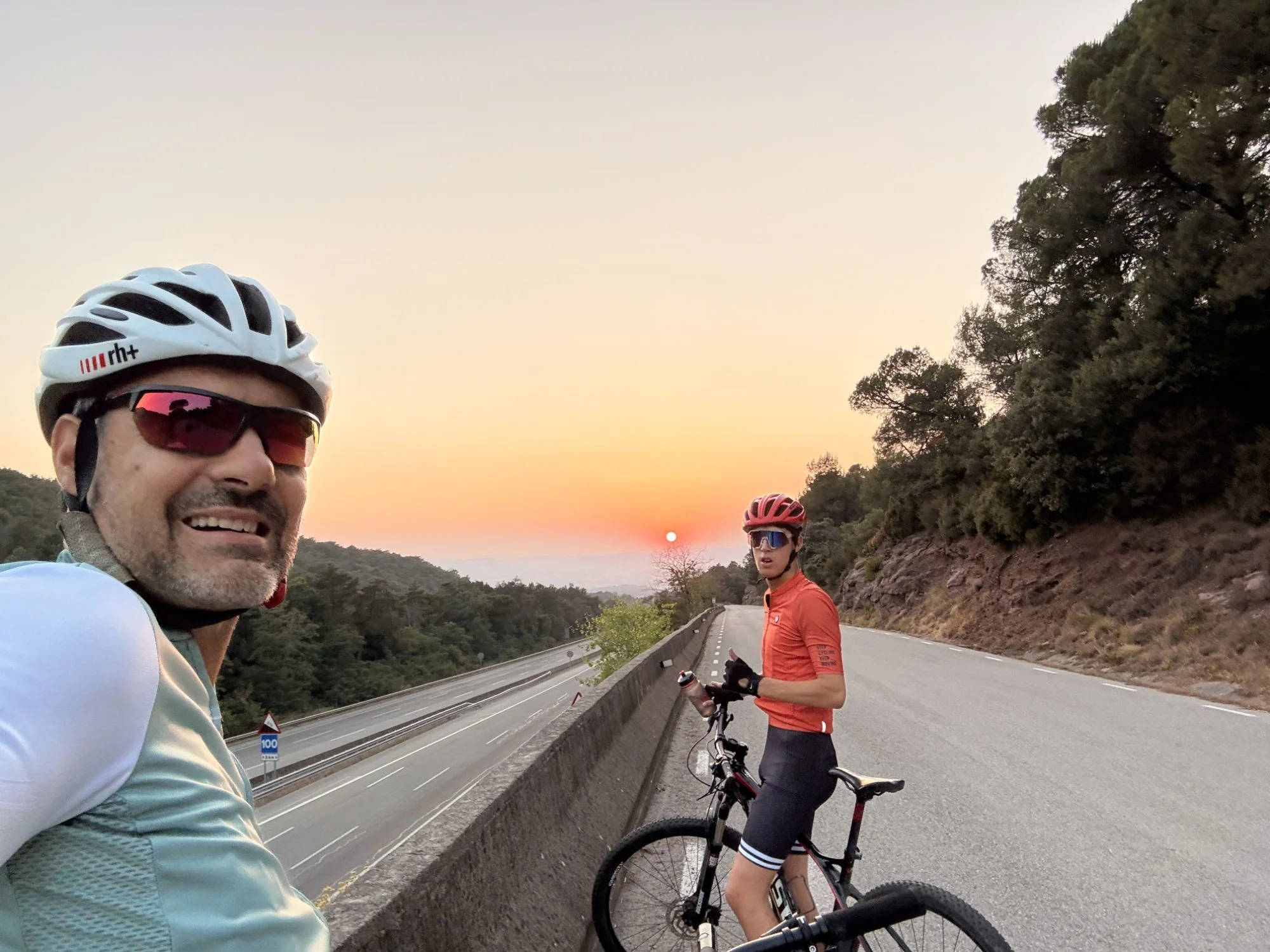
A major part of navigating that change means keeping a close eye on new trends, putting a massive amount of attention on artificial intelligence. Oriol considers AI the biggest challenge he has ever faced, driving him and his team to stay as up to date as possible. The technology is surprising them daily—things no one expected to happen just two months ago are already a reality today.
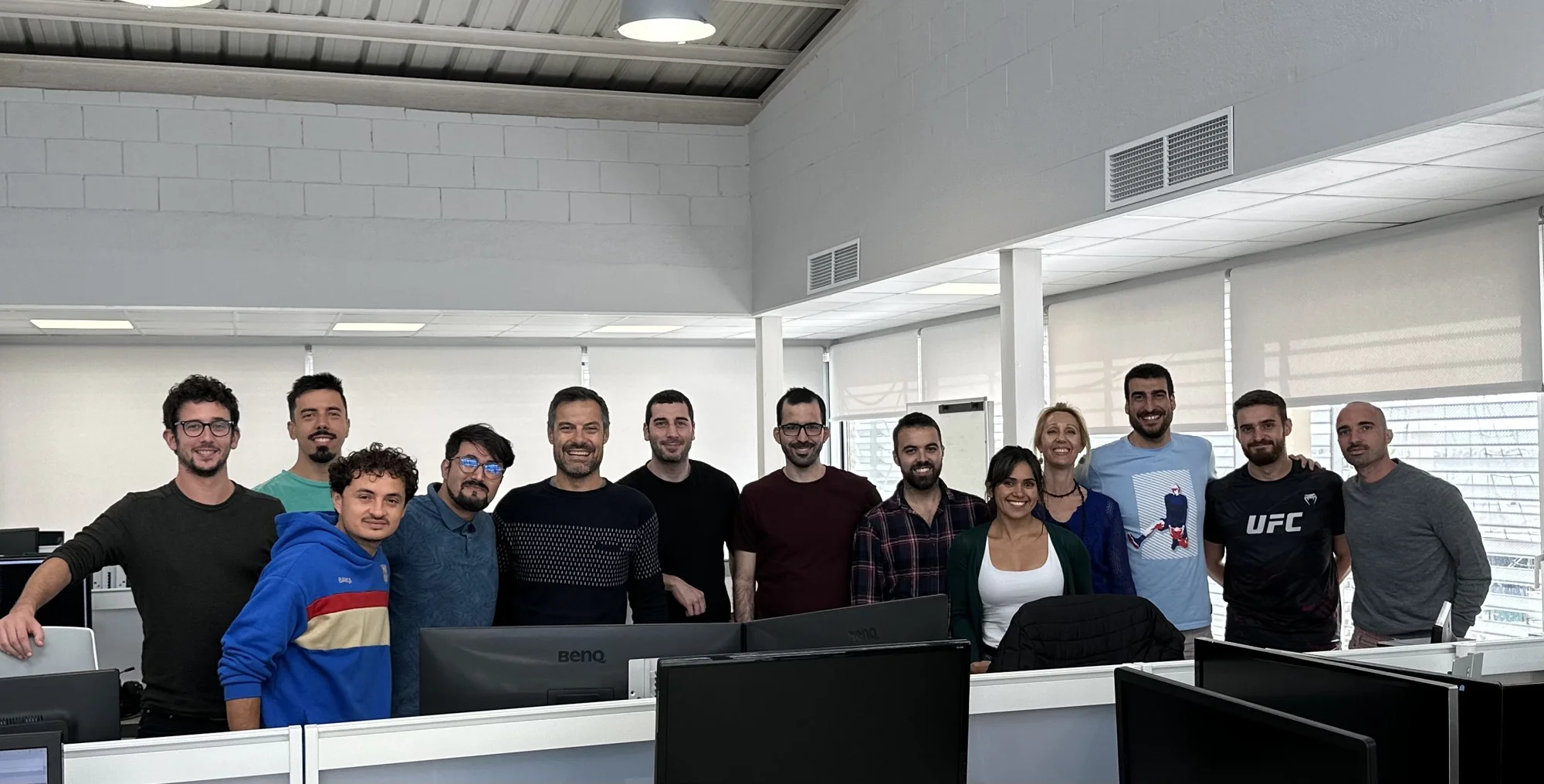
Like everyone else, he finds it hard to say exactly where the industry will end up, but Gemvision is committed to keeping a close eye on the landscape to stay as adaptable to these rapid changes as possible. Twenty years ago, something impressed him about once a year. And now?
"Today is every week."
The long one
He loved Australia, but something was missing.
"Australia is a new country. If you go to the forest, there are no tracks there, because no one has been living there. Instead here in Europe there has been little farmhouses everywhere for hundreds of years. And these people over the years have been building these tracks to walk from one place to the other. Today these tracks still are there."
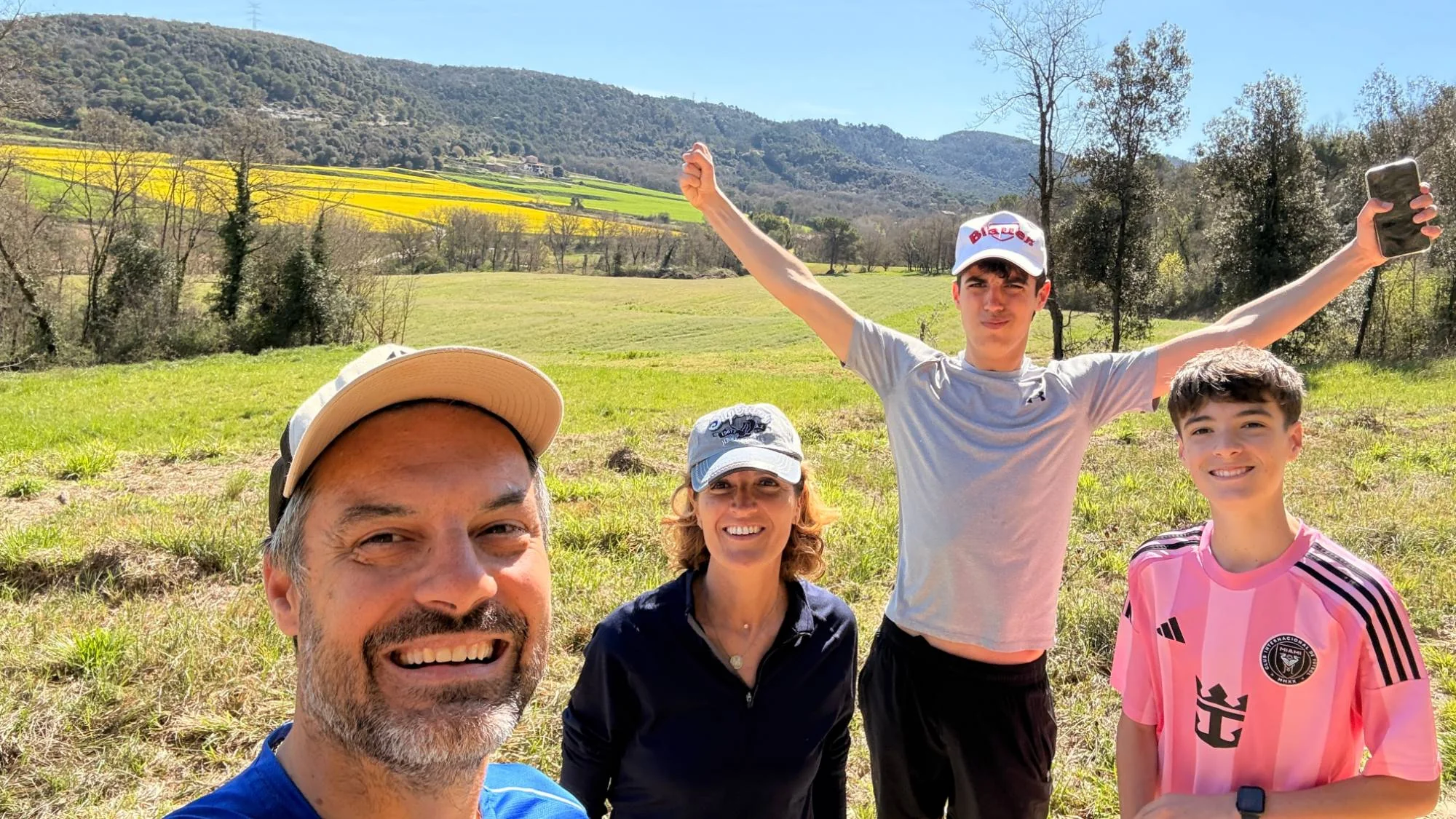
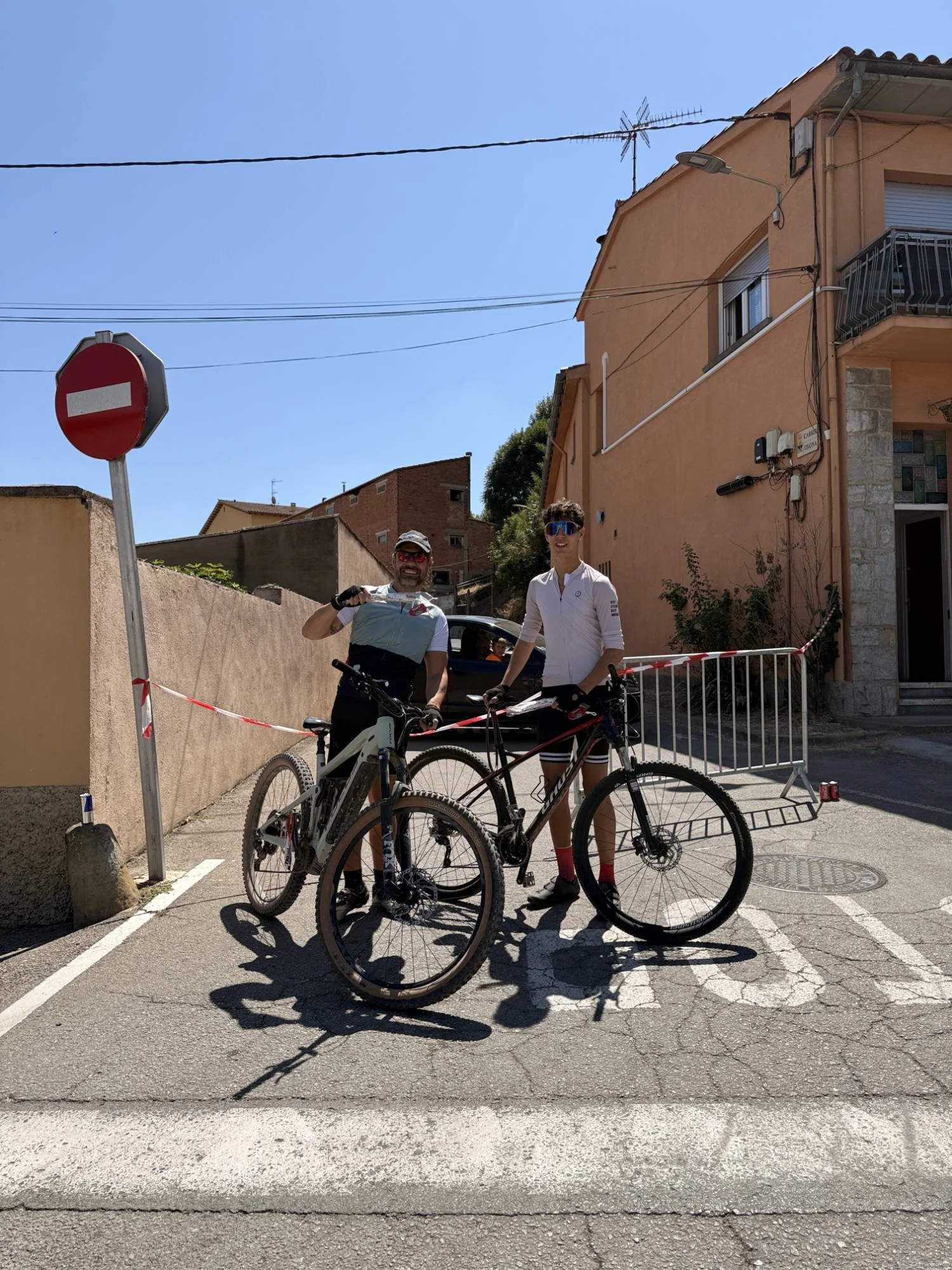
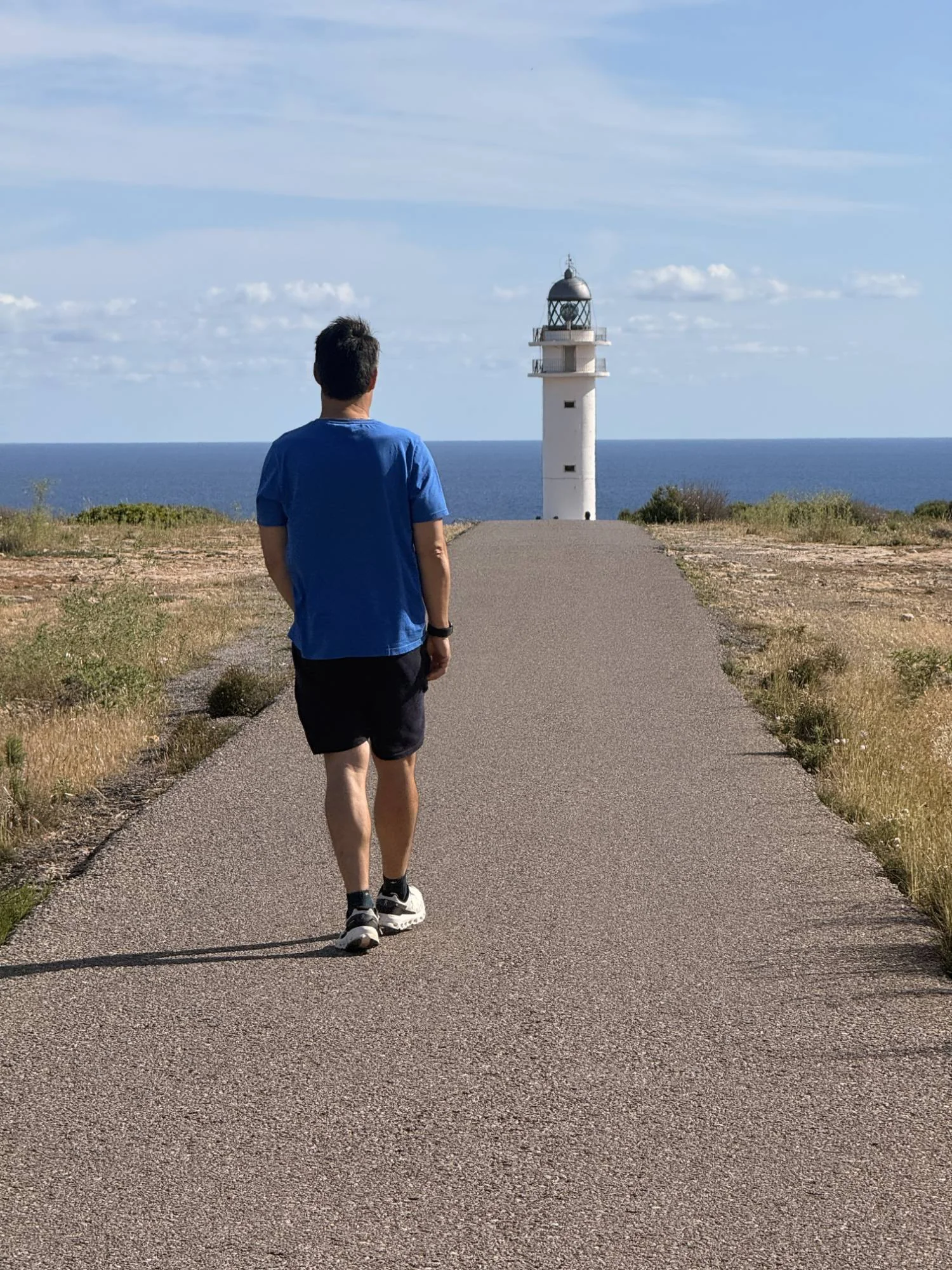
The weekend before our call, he took the wrong route on a hike. Five hours instead of three.
"I wasn't lost. I choose the wrong one. So I choose the long one."
From MatrixGold, live
A ring from Gemvision’s MatrixGold page, live in the iJewel3D viewer. The pavé on its shoulders is the work he set by hand for fifteen years. Drag it.
Every one of those seats was once a morning at the bench, a graver, and a stone small enough to lose in your hair.
He came up through a trade school, learned setting from a man who learned it from someone else, and spent twenty years turning that hand knowledge into software. The tracks were already there. He walked them, and then he widened one.